On April 1, 2026, the implementation of the “Green Booster” project began, aiming to strengthen local climate action in Bosnia and Herzegovina, Serbia, and Montenegro through practical cooperation between civil society organizations, local self-governments, and public utility companies (PUCs). In Bosnia and Herzegovina and Montenegro, joint teams are developing policies and financial mechanisms that support large-scale investments in energy efficiency and renewable energy in buildings. In Živinice, Bosnia and Herzegovina, the project applies these mechanisms through a pilot scheme and co-finances energy-efficiency measures for around 30 households.
In Serbia, the project introduces energy management systems in three PUCs in the water supply, district heating, and waste management sectors. It appoints energy managers, develops studies on energy-saving and renewable energy measures, and prepares implementation roadmaps.
Training, workshops, and technical support enable local actors to design and implement climate measures. A public awareness campaign, including the “Green Champions” Awards, highlights local leadership, energy efficiency, renewable energy, gender equality, and energy poverty, thereby strengthening public support for decarbonisation.
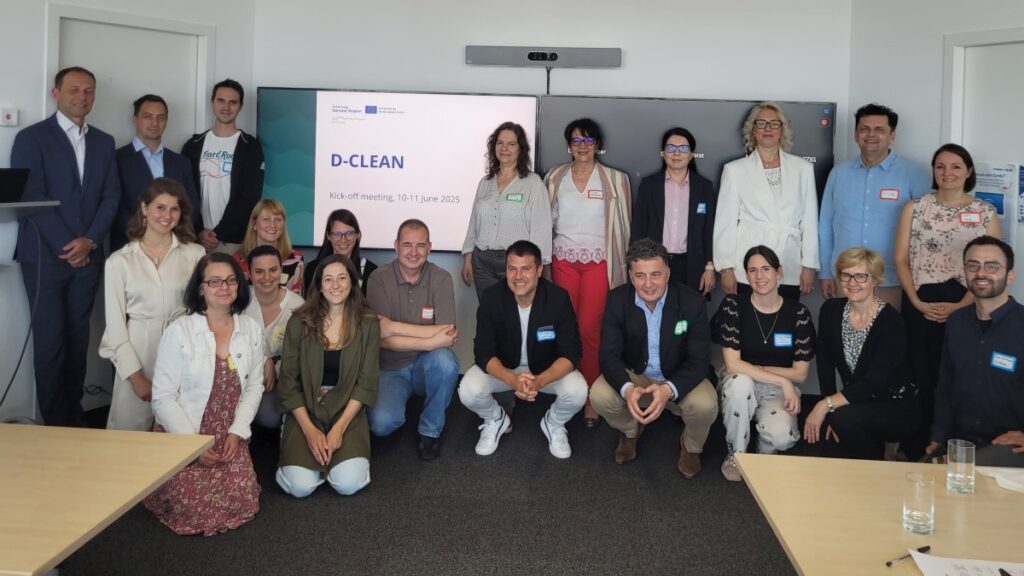
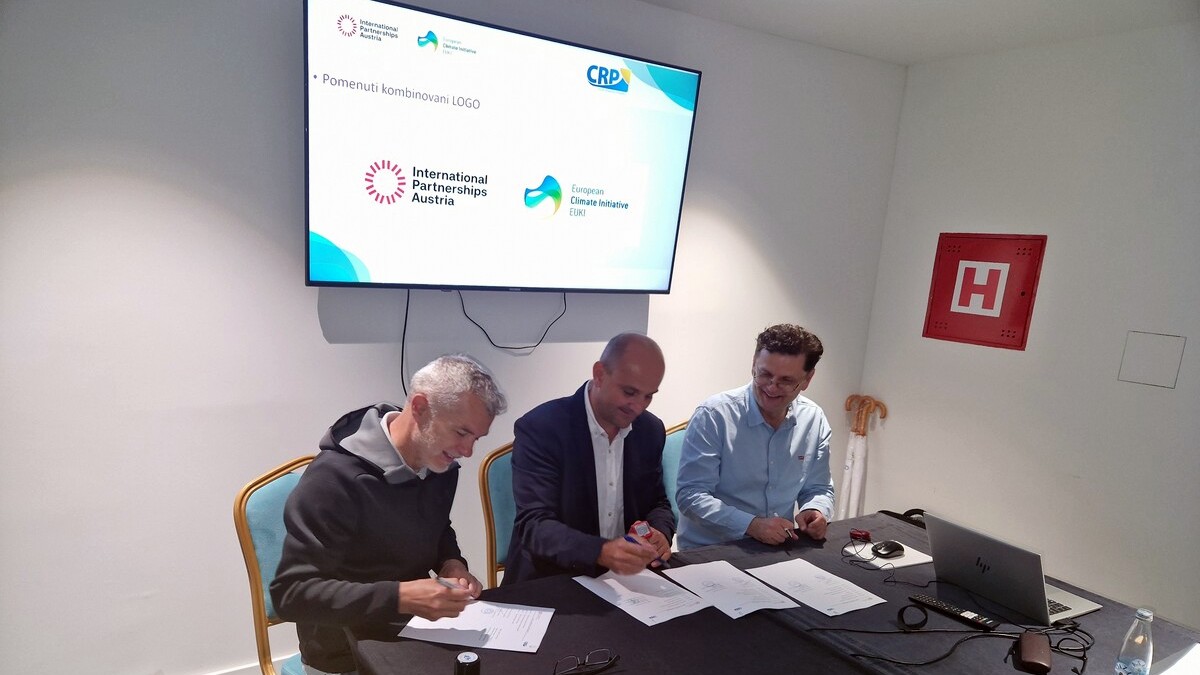
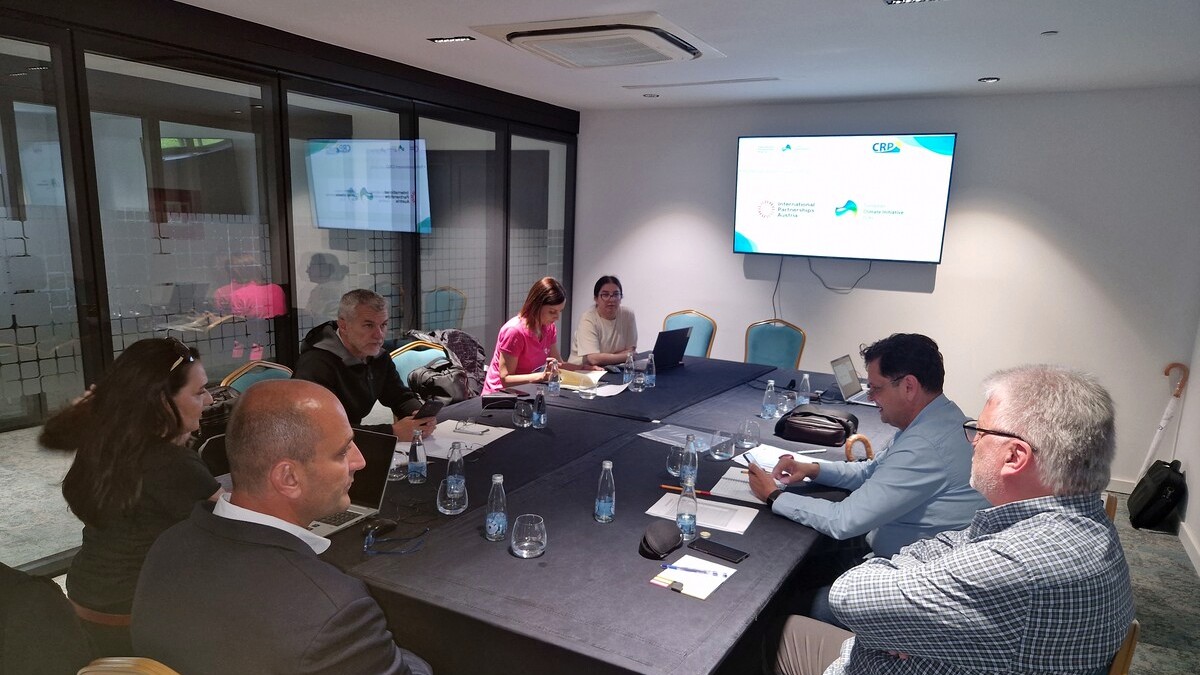
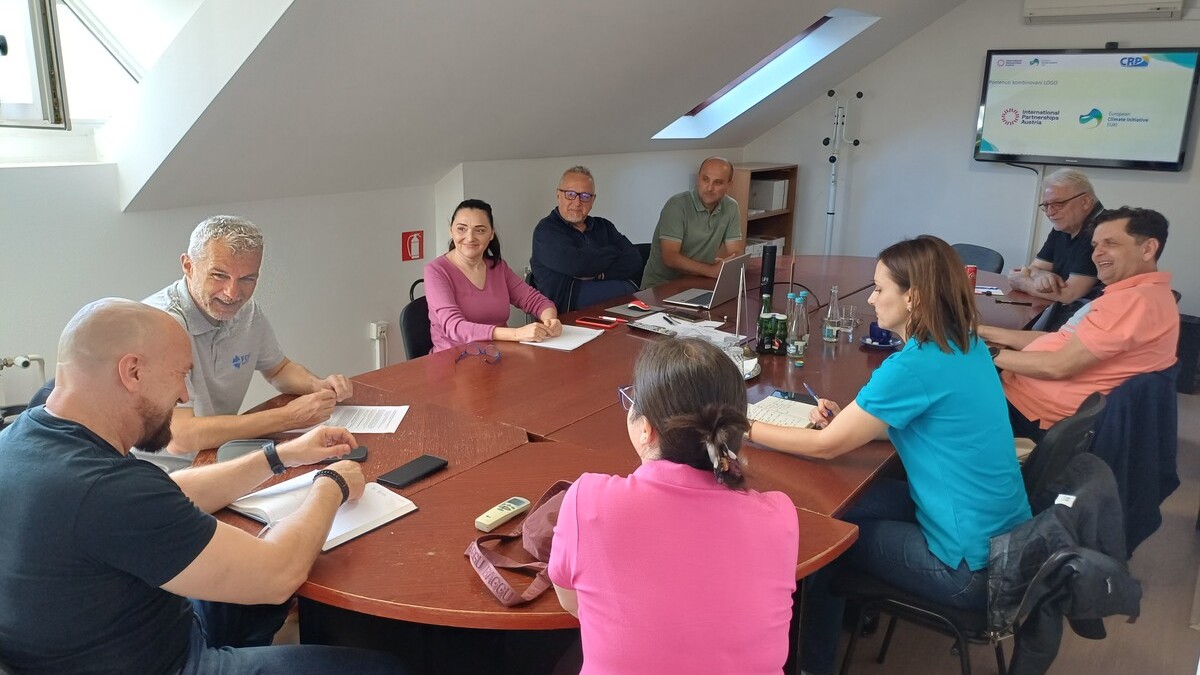
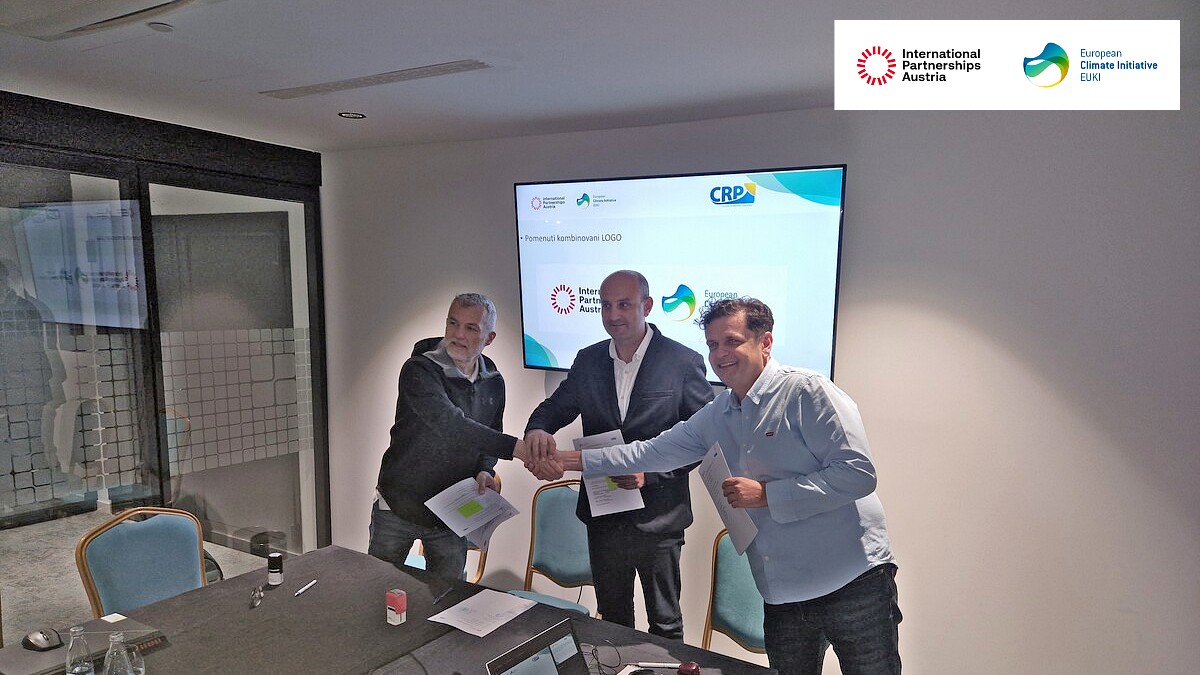
Between June 10–12, 2026, a successful Kick-off Meeting of project partners was held, during which, among other activities, partnership implementation agreements were signed, formally launching the project.
The lead partner is the Center for Development and Support (Bosnia and Herzegovina), and the project is implemented in partnership with the Regional Development Agency Srem from Ruma (Serbia), the Foundation for the Development of Northern Montenegro (Montenegro), and the City of Živinice (Bosnia and Herzegovina).
This project is financed by the Austrian Development Agency (ADA) within the International Partnerships Austria programme and the European Climate Initiative (EUKI). The Austrian Development Agency (ADA) is Austria’s federal agency responsible for development cooperation and humanitarian aid. EUKI is a project financing instrument of the German Federal Ministry for the Environment, Climate Action, Nature Conservation and Nuclear Safety (BMUKN). Calls for projects within EUKI are implemented by the Deutsche Gesellschaft für Internationale Zusammenarbeit (GIZ) GmbH. The primary goal of EUKI is to strengthen climate cooperation within the European Union (EU) in order to reduce greenhouse gas emissions.